At seven in the morning in the valley it is eighteen degrees, the sky is a clean blue, and you leave the car in a T-shirt. Four hours later you are at 2,400 metres, the wind has swung round from the north, and something that is nearly hail is hitting the back of your neck. Nobody in the Italian Alps has ever regretted carrying a shell jacket. Plenty have regretted leaving one behind.
The good news is that a sensible day pack for these mountains is not complicated. It weighs six or seven kilos, it fits in a 30-litre bag, and once the list is in your head you can pack it in ten minutes the night before. Here is what actually earns its place.
Layers, Not a Wardrobe
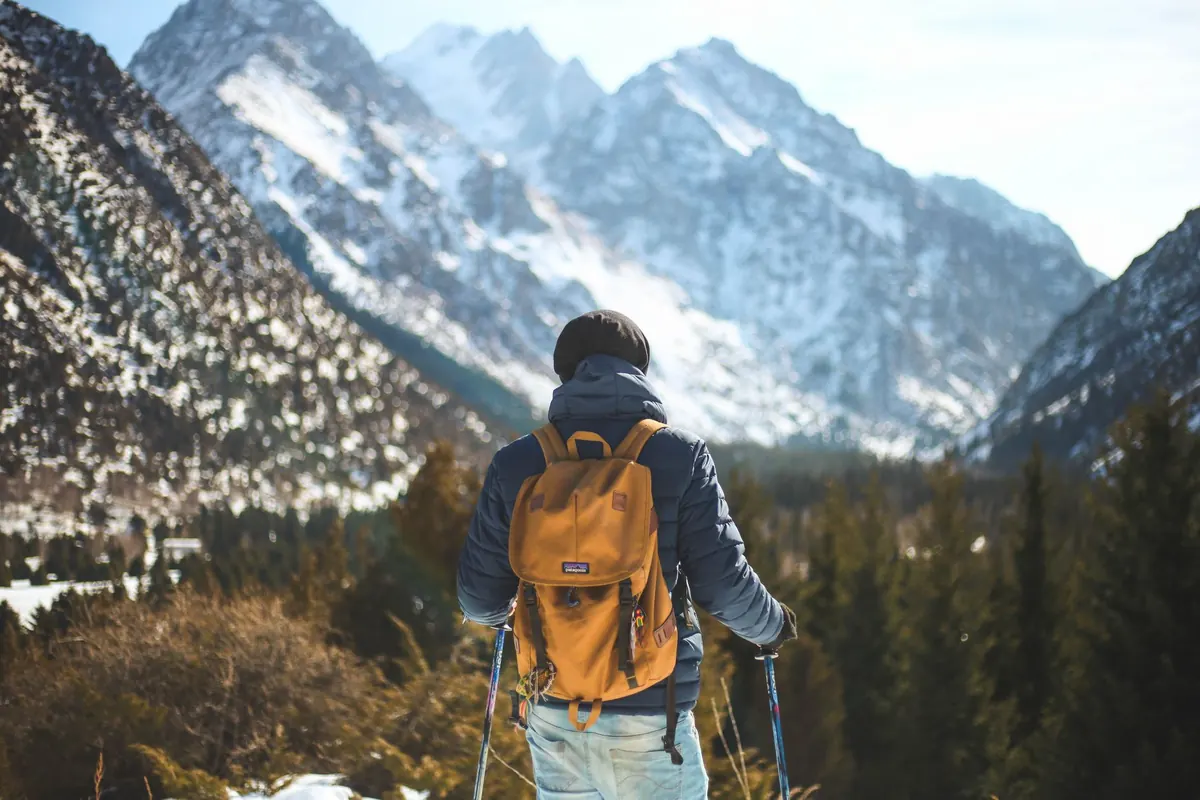
The rule that works above the tree line is three layers plus one dry spare. A thin merino or synthetic base layer goes on first. Cotton stays wet and chills you the moment you stop, so leave the old cotton T-shirt at home. Over that, a light fleece or a thin synthetic jacket. On top, a windproof and waterproof shell with a real hood, one that packs to the size of a grapefruit.
Then there is the piece people forget: a light down or synthetic belay jacket. Three hundred grams of down turns a cold, windy lunch into a pleasant half hour, and it is the layer you will be grateful for if someone in the group rolls an ankle and you have to sit still waiting for help.
For the legs, softshell trousers in spring and early summer; shorts plus a pair of light leggings from July onwards, because descents are usually colder than you expect. Pack a hat and gloves even in August — not because the forecast is bad, but because at 2,500 metres the difference between sun and shade is enormous, and a cold head makes an easy descent feel long.
Finally, feet. Boots or trail shoes you have already worn on long days, wool socks, and a second pair of socks in the bag. If you feel a hot spot on the climb, stop and tape it there and then. Ten minutes now saves you three painful hours later.
Water and Food: More Than You Think
For a five- to six-hour hike, carry at least 1.5 to 2 litres per person, and more on south-facing routes with no shade. Alpine streams look delicious, but cattle graze those pastures. If you plan to drink from them, carry tablets or a filter, and remember that filters do not remove everything — boiling is the reliable method.
Fountains and rifugi exist, but do not build your day around them. In a dry August some water points are turned off, and a rifugio can be closed on a Tuesday in June. Eat before you are hungry: a proper lunch of bread, cheese and something with olive oil, plus a handful of nuts, dried fruit, and a couple of bars you keep in the top pocket and do not touch until you need them. Salt matters as much as sugar. After four hours of sweating, crisps or a salty biscuit are worth more than another chocolate bar. Bring a small rubbish bag and carry everything out, fruit peel included.
Navigation: Assume the Phone Will Die
A phone with an offline map is excellent, and most of us use one on almost every hike. It is also a battery with a screen, and cold drains it. Download the area before you leave the house, keep the phone in airplane mode, carry a small power bank, and put a paper map in the pack anyway.
In the Italian Alps, the 1:25,000 maps from Tabacco and Kompass are the ones most often sold in valley shops. Learn to read the red-and-white trail markers and to match them to the map. In spring a stretch of path under a snowfield can hide the markings completely; the correct move then is to stop, check the map, and if you are unsure, walk back to the last certain point rather than inventing a route.
Carry a small compass and know which end points north. Tell someone at home where you are going and when you expect to be back. Coverage in the Alps is good on ridges and absent in valleys, which is exactly the wrong way round for an emergency.
The Emergency Kit
Most of this you will never open. That is the point. It weighs under a kilo and it is the difference between an annoying afternoon and a very long night.
- Headlamp with fresh batteries — a phone torch is no substitute when you need both hands
- Emergency blanket or a light bivy bag, which also works as a windbreak for an injured companion
- Whistle — three short blasts is the distress signal
- Small first aid kit: blister plasters, zinc oxide tape, gauze, antiseptic wipes, a few painkillers, personal medication
- Tick tweezers — ticks are common in many Alpine valleys below about 1,500 metres, especially in late spring and early summer
- Penknife, lighter, a few metres of cord, and a roll of repair tape for boots and poles
- ID, health card, and twenty euros in small notes for the rifugio
If you take regular medication, keep it on your body rather than at the bottom of the pack, and tell your walking partner where it is. If you have a heart condition, asthma or anything else that might change how a day at altitude treats you, talk it through with your doctor before you commit to a route.
Spring and Summer Ask Different Things
Late spring, roughly May to mid-June
Snow lingers above 2,000 metres well into June. Add gaiters, trekking poles and, for hard old snow on a shaded north face, a pair of microspikes. Start early, because soft afternoon snow is exhausting and sometimes unsafe. Meltwater makes stream crossings high and fast; test snow bridges over creeks with a pole before you put weight on them. Many rifugi open only at weekends until late June, so check before you count on lunch.
July and August
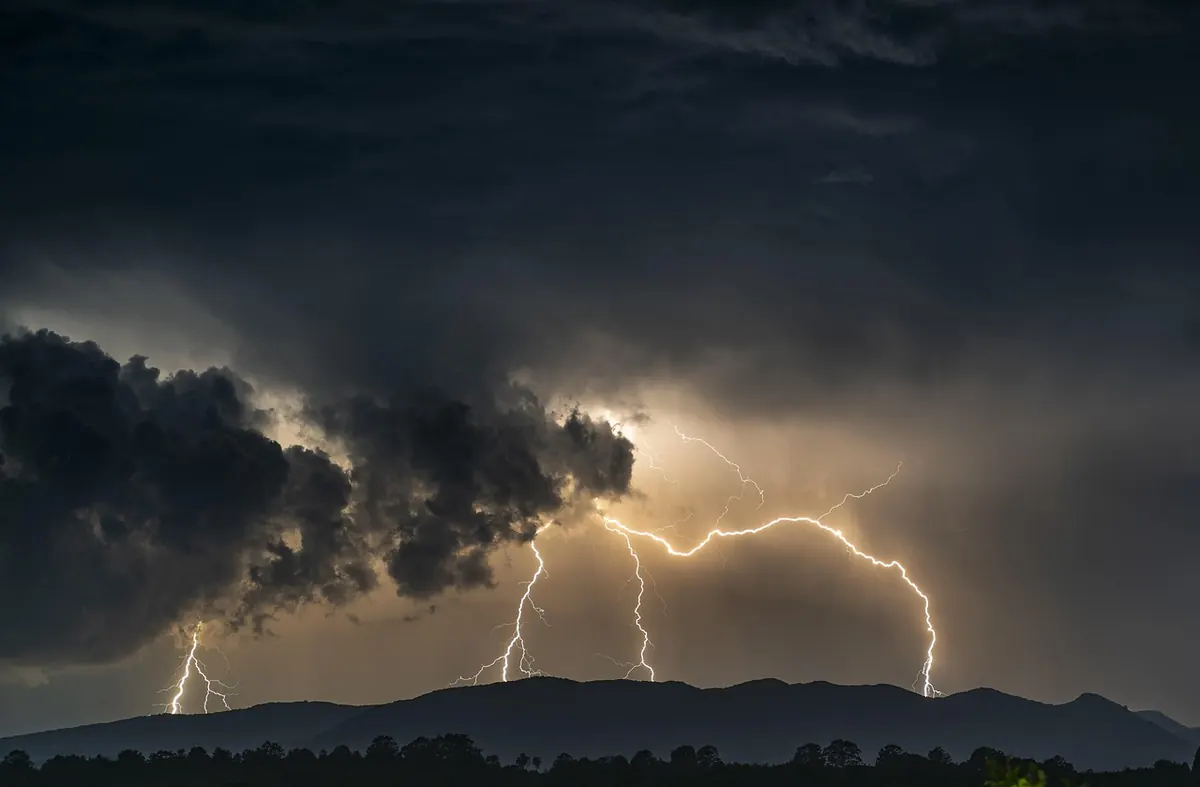
Heat and thunderstorms set the rhythm. Leave at dawn, be off exposed ridges and summits by early afternoon, and treat the first distant rumble as your cue to descend. Carry more water than feels reasonable, sunscreen, lip balm and category 3 or 4 sunglasses. Popular routes such as the Tre Cime loop fill up by mid-morning; go early or choose a quieter valley.
Packing Order, and the Night Before
Heavy items sit close to your back at shoulder-blade height. The layer you might need during the day goes near the top, lunch at the very top. Lift the bag and shake it — if something rattles, wrap it in a sock.
- Lay everything out on the floor and remove one item you know you will not use.
- Put water, food and the shell in the lid or the top of the pack.
- Check the forecast for the valley and for the summit; they differ.
- Charge the phone and the headlamp, and download the map.
- Leave your route and expected return time with someone.
Ten minutes of sorting the night before is worth more than any single piece of gear on this list. You will walk lighter, stop less often to rummage, and have room in your head for the part that matters: the ridge, the light, and the long way down.
Photo: Oziel Gómez / Pexels