At 4:50 the village makes a different sound. A shutter easing open, a dog answering something in the woods, the flat click of a fountain that has run all night. The road through the valley is empty, and the parking bay behind the church — the one that will be hopeless by nine — sits there in the dark, waiting for you.
Going out before dawn isn't discipline for its own sake. It's the simplest way I know to get an alpine trail to yourself, and to see the mountains during the twenty minutes of light that almost nobody photographs, because almost nobody is up there yet.
The village is not asleep, it is working
That's the first thing to understand, and it changes how you behave. The bakery has been on since three. The milk lorry comes through before five and needs the width of the square. Somebody's grandfather is already up on the track above the last houses, checking a fence he could have checked yesterday.
So arrive as a guest, not as a visitor. Park where the lorry can still pass. Close the doors with your hand on the latch instead of letting them swing. Don't sit with the engine running while you sort your rucksack, and don't sweep the headlights across the bedroom windows on the uphill side of the road. This is not etiquette for its own sake; it's the difference between a village that nods at you next time and one that doesn't.
Walk the centre the evening before. Ten minutes is enough to learn which lane dead-ends at a farm gate, where the fountain is, and how long it actually takes to reach the path from the square. Half the stress of a pre-dawn start disappears with that one small recce.
Finding the car park locals actually use
Village parking in the Alps follows a logic that has little to do with the signs at the entrance. The first spaces you meet are usually the worst ones: they belong to the houses, they block a turning circle, or they sit under a walnut tree that drops everything on the bonnet at first light. Better options are almost always a couple of minutes further on.
- Start at the edge. The cemetery car park, the sports ground, the lower station of the old chairlift, the gravel apron by the sewage works. Unglamorous, empty, and rarely watched over by anyone who minds.
- Read the sign properly. Disc parking, resident-only zones and loading bays look similar in the dark. If the text is in a language you don't read, photograph it and ask in the bar later — or move.
- Ask about market day. In many villages one morning a week the square fills with stalls, and the spaces that were legal on Tuesday are not legal on Wednesday.
- Keep the trailhead clear. That last widening in the forest, the one that looks like a gift of a parking space, is often the turning place for hay trailers and forestry vans.
- Check barrier times. Forest roads above the village frequently close overnight or open late. A gate that shuts at 22:00 will still be shut when you come down.
- Reverse in. Easier to leave quietly, and easier to leave at all if someone parks behind you while you're up there.
Village parking is often free but run on a disc or an honesty box, so carry coins and a pen. Where a barrier, a private hut forecourt or a confusing residents' scheme is involved, ask the day before at the tourist office or the bar instead of guessing. A clamped car ruins a morning far faster than a five-minute walk.
Light arrives from the top down
Alpine light does not rise over the valley the way it does at the coast. It lands on the summits first, often half an hour or more before it touches the roofs, then slides slowly down the slope and takes the shadow with it. The valley floor stays blue and cold long after the ridge is burning.
Plan the route around that. A trail that climbs out of the shade and reaches an open shoulder, a bench, a chapel step or a stretch of high meadow gives you the whole show. A trail that stays in the forest for the first hour gives you a headtorch and wet branches. Both can be good, but only one is what you got up for.
Two habits worth keeping
Check the sunrise time for the village, then subtract about twenty-five minutes for the first usable light on the peaks. Be at your viewpoint, not still climbing, when it starts. And when you pick a route, look for one that leaves the woods within the first thirty minutes of walking — that way the trees are your warm-up rather than your whole morning.
Trails that stay empty
Crowded trails are crowded for predictable reasons: a cable car at the top, a lake with a car park beside it, a signed "balcony" path with a viewpoint every hundred metres. Avoid those and you have already removed most of the traffic.
What's left is the older network: mule tracks between villages, pilgrim routes and procession paths, forest roads that end at a working malga, and the short steep line up to a cross on the ridge that the locals use for training and nobody else has heard of. These routes tend to start with a bit of ugliness — a scrap yard, a shed, a stretch of tarmac — and that's part of why they stay quiet.
What to look for on the map
- Paths that link two villages rather than looping from a car park.
- Routes ending at a dairy farm, where the herd is already moving and the cheese pots are already warm.
- Old connecting tracks marked as minor, usually narrower and less maintained than the signed itineraries.
- Anything that gains height quickly and then flattens onto a terrace or an alpeggio.
One courtesy matters more here than anywhere else. Between five and seven in the morning you're walking through someone's working land, and a herder with a dog does not need a conversation. Stop, let the dog see you, say a quiet buongiorno, and keep moving.
What to carry, and how to move
You are leaving before anything opens, which simplifies packing and makes forgetting things more annoying.
- A headtorch with a red mode, plus spare batteries. Phones die in the cold.
- A warm layer, gloves and a hat, even in July. The hour before sunrise is the coldest of the night.
- Water and something small to eat, because the hut is shut and the bar won't open for two hours.
- An offline map and a charged phone, kept in an inside pocket.
- Coins or a card for the first coffee at seven, which will taste better than any coffee you buy later.
- Poles if the grass is tall; dew makes stones and roots genuinely slippery.
Move quietly. Voices carry a long way in a valley at that hour and a group talking at normal volume is audible for hundreds of metres. Music on a speaker is worse. If you're walking alone in the dark, a short whistle now and then is friendly — it tells the wildlife you're coming and spares everyone a surprise.
Weather, and knowing when to turn around
Dawn is when the mountain tells you what kind of day it's going to be, and it's worth listening. Damp stone on a north-facing path, ice in the shaded gullies, and grass that soaks your boots in the first hundred metres are all normal. Fog sitting in the valley is not a reason to cancel, but it is a reason to stay below the treeline where the paths are obvious and the drop-offs aren't.
Wind on the ridge before sunrise is a fair warning of the afternoon; so is a sky that's clear to the west and building to the east. If the cloud is thickening and the light has gone flat and grey rather than gold, take the lower return. Nothing on a dawn hike is worth guessing at, and nobody has ever regretted being back in the village too early.
The morning, in order
- The evening before: walk the centre, find your parking, check the sunrise time and the barrier.
- Twenty minutes before first light: car parked, boots on, headtorch red.
- First light: be somewhere open and facing east, even if it means stopping for ten minutes.
- Full sun on the valley: walk, and go further than you'd planned while the air is still cold.
- Seven o'clock: back down, coffee at the bar, and the quiet satisfaction of watching the car park fill.
Then go and have breakfast, and let the rest of the day catch up with you.
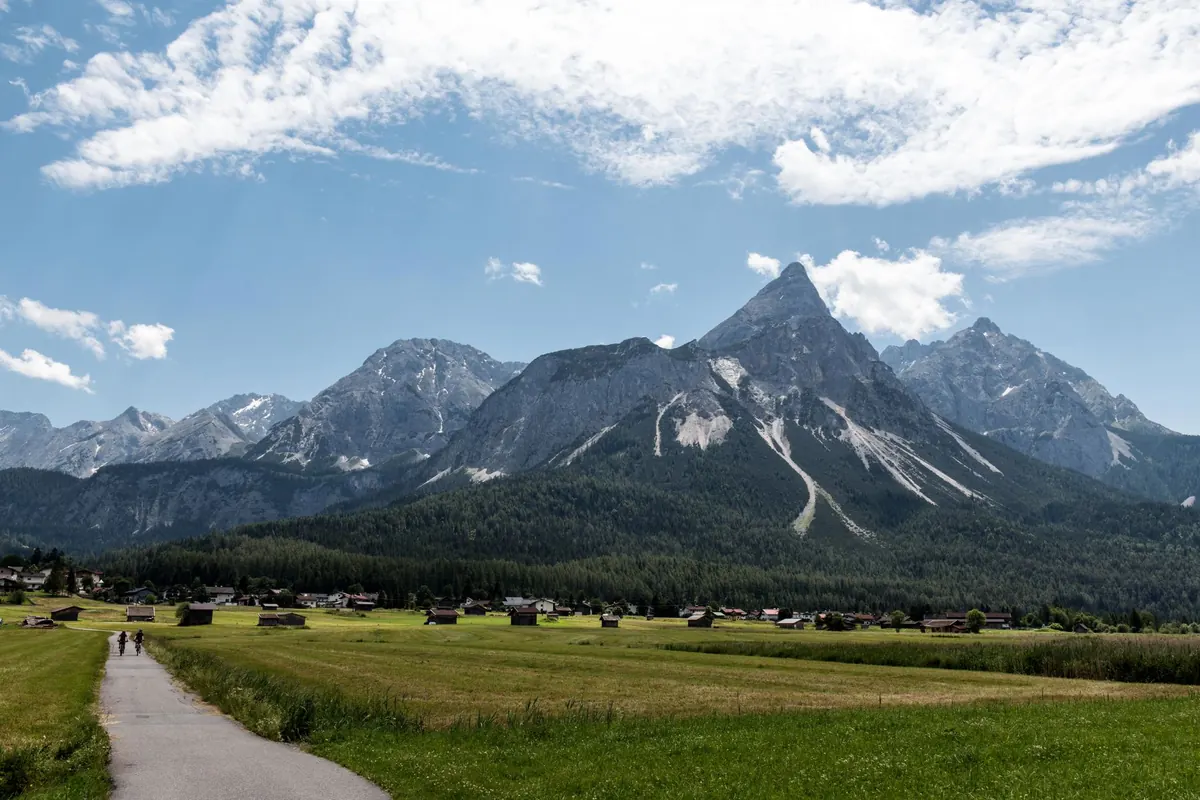
Photo: Wolfgang Weiser / Pexels