Italy gives hikers two shoulder seasons, and they are not mirror images. Spring arrives wet and impatient, pushing snowmelt down the same valleys you were hoping to walk up. Autumn arrives generous, then closes early and quietly. Both reward people who plan around the calendar instead of against it. What follows is a working comparison of the two — temperature, leftover snow, mud, daylight and crowds — for the kind of trip where you have a week, a rail ticket and a wish to spend the walking days well.
Temperature: One Season Warms Up, the Other Cools Down
The figures on paper look similar. April and October both sit in the low teens on the Apennines, and both May and September can hand you a T-shirt afternoon at 1,500 metres. What changes your packing is the direction of travel.
Spring is a season of cold starts and warm middays with winter still in the ground. In the Alps, a valley floor near Aosta or Trento can feel mild while 1,500 metres is a different climate altogether and 2,000 metres is still February. April is unreliable almost everywhere; May is the first month you can plan a mid-altitude traverse without building in a lost day. In the south the order flips — March and April are the good months in Sicily's Madonie or the Sardinian interior, and by late May the heat pushes you towards the coast or above 1,000 metres.
Autumn runs the other way. September often still feels like summer, especially in the south and on low ground: poor conditions for exposed ridge walks, good ones for shaded forest routes. October is the prize, with cool mornings, settled air and afternoons warm enough to sit outside a rifugio. November is a gamble — the first proper snow usually reaches above 1,800–2,000 metres in the Alps, and rain becomes the default across the Apennines.
Pack for the temperature at 7am and again at 4pm, not the one at lunchtime. That single rule covers most of the practical difference between the two seasons.
Snow Remnants and the Altitude Ceiling
In spring, snow is a route-planning problem rather than a weather one. North-facing slopes above roughly 2,000 metres hold patches into June, and the high passes — the forcelle of the Dolomites, the shoulders of the Gran Sasso, the cols of the Valle d'Aosta — keep hard drifts well after the valleys are green. A short snow crossing in a shaded gully can be trivial with an axe and steady feet, and a genuine obstacle without them. Either carry the kit and the skill, or choose a route that stays lower until late June.
Local information beats guesswork here. Rifugio staff, park visitor centres and the nearest Club Alpino Italiano (CAI) section know which passes have cleared, and a phone call in the morning is worth more than a week-old report from a stranger's blog. Late June is often a better bet than early June for anything above 2,000 metres.
Autumn rarely brings deep snow before mid-October at walking altitudes, and what falls is usually thin enough to melt off. The bigger constraint is that the huts close. Most Italian rifugi run from mid-June to early October, with some opening at weekends in the shoulder weeks. Once they shut, a high route that felt comfortable in September becomes a long day with a heavier pack and no hot meal at the end of it.
Mud, Roots and the State of the Path
Spring mud comes from above and below at once: melting snow on the slopes, saturated soil in the woods. The clay-heavy trails of the Monti Sibillini, the Casentino and the Langhe turn greasy after rain, and the worst window is often a warm week in April when the surface thaws while the base stays frozen. You post-hole through the top layer, widen the path with every step, and arrive at the car with boots twice their proper weight.
Autumn mud is wet leaves, wet grass and slick roots. Chestnut woods in Tuscany and Umbria are lovely in mid-October and treacherous an hour after rain, because the leaf litter hides rocks and roots completely. On the other hand, autumn trails are usually clear: maintenance crews have had the whole summer to cut back vegetation and clear the blowdowns that winter left across paths in spring. At the same altitude, the same route often walks better in October than in April.
A few habits cover both seasons. Wear boots with real lugged soles, take poles for the descents, and put gaiters on for the boggy stretches. Walk through the puddle rather than around it; the detour is what turns a path into a two-metre-wide scar.
Daylight Is the Constraint Nobody Plans For
Spring daylight grows fast enough to forgive a late start. Late March gives you about twelve hours of usable light, mid-April around thirteen and a half, and by late May you have fifteen. An ambitious day feels generous.
Autumn does the opposite, and often catches people out. Mid-October gives roughly eleven hours; after the clocks change, sunset lands before five in the afternoon. A 9am start with 800 metres of ascent and a descent on the far side can leave you finishing in the dark with a phone torch. If your route involves a path junction in beech forest, that is not a small inconvenience.
The practical answer is unglamorous: start early in both seasons, carry a headlamp with fresh batteries whatever the forecast, and write down a turnaround time rather than a target summit. In spring, early also means firmer snow and frozen mud — a real advantage. In autumn, early simply means you finish when you said you would.
Crowds, Holidays and Booking Pressure
Neither season is quiet by accident. Italian holiday weekends do most of the damage, and they cluster in spring.
- Easter weekend fills the classic honeypots: Cinque Terre, the Amalfi coast, Lake Como, the easy Dolomite loops. Book beds or avoid entirely.
- The 25 April and 1 May bridges turn into four-day walking holidays for a lot of Italians. Trailhead car parks at popular Apennine reserves can be full by 9am.
- May weekends are busy but manageable if you walk on weekdays or choose secondary valleys.
- September weekends still carry summer volume in the Alps; the drop-off comes in October.
- 1 November creates one more short, crowded weekend, then the season genuinely empties.
- Ferragosto (15 August) is not a shoulder-season issue, but if your dates drift into mid-August, expect coast and mountain villages at capacity.
Autumn also brings local traffic into the woods: mushroom and chestnut weekends, and the hunting season, which generally opens in September and runs into the new year under regional rules. Wearing something high-visibility in Apennine forests in October and November is a sensible courtesy, and checking the regional calendar is worth five minutes before you commit to a lowland route.
A Short Month-by-Month Reading
- Mid-March to April — south and islands, coastal paths, low hills. Expect mud and rain; expect few people.
- May to mid-June — the Apennines at mid altitude, then the Alps as snow clears. The most forgiving spring window.
- Mid-September to mid-October — the best all-round conditions of the year: clear trails, open huts, comfortable temperatures, thinning crowds.
- Late October to November — olive groves, chestnut woods, low ridges and the south. Shorter days, more rain, and a landscape that is quietly at its best.
How to Decide
Ask three questions before you book. How high do you want to go? If the answer is above 2,000 metres, spring pushes you to late June and autumn pushes you before mid-October. Do you need huts? Then spring starts in mid-June and autumn ends when the rifugi close. And how do you feel about finishing in the dark, in the rain, on a path that has turned to clay? If the honest answer is "not much", take October and keep the itinerary flexible.
Whichever you choose, hold one spare day for weather, check conditions locally the morning you set out, and leave your plan with someone who will notice if you are late. Take a paper map as well as the phone, carry a headlamp in both seasons, and treat the shoulder months as what they are: excellent walking with a shorter margin for error. For anything involving insurance, remote-area safety or medical fitness for long days, sort it out with a qualified professional before you travel rather than on the trail.
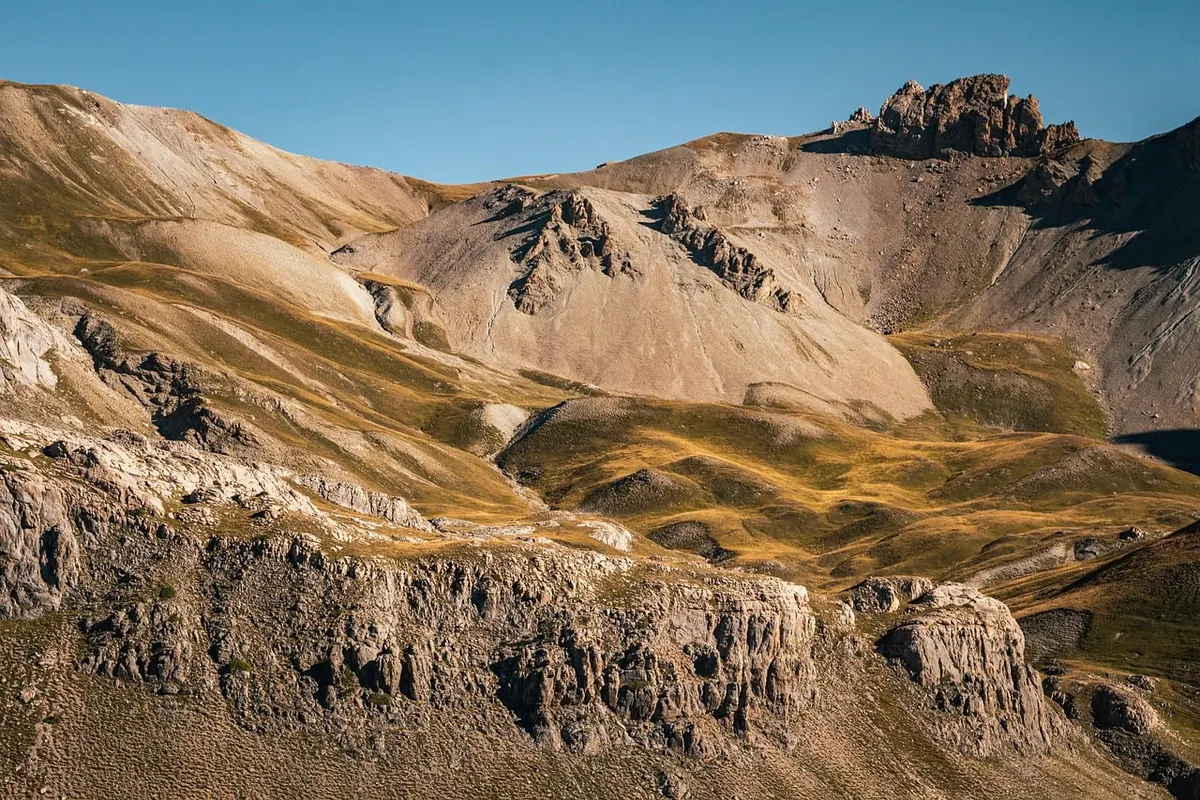
Photo: Chloe_Dupre / Pixabay